
Small Habits Can Have Big Consequences
Many people accidentally damage their jewelry through everyday habits. It’s hard to notice–the damage usually happens slowly and subtly rather than from a single incident. But knowing how to care for your jewelry can extend its lifespan, potentially for generations. Professional inspections, maintenance,and cleaning all play a major role in preserving your fine jewelry.
In this blog, the jewelry experts at Levy Jewelers in Savannah, Georgia, will walk you through seven of the most common mistakes people make with their fine jewelry. We’ll also tell you what signs of damage to look out for, and share our tips on how to maintain your beloved jewelry for decades to come.
Why Fine Jewelry Requires Ongoing Care
Fine jewelry is designed to be durable–but it’s not indestructible. Even the strongest precious metals and gemstones experience wear and tear. This is especially true for the pieces you wear every day (or nearly every day).
Even for people who take great care of their jewelry, some wear and tear is inevitable. Daily exposure to impacts, moisture, friction, and commonly used chemicals accumulates into damage over time. Rings and bracelets are especially vulnerable to damage because they are worn on the hands. Hands are frequently bumped, dirtied, and used for intensive activities in the course of everyday life.
Jewelry wears down differently depending on what materials it’s made from. Metals like gold, platinum, and silver have different weak points. Prongs, clasps, and setting naturally loosen and break with use. Certain gemstones are softer and more vulnerable to scratches than others.
Mistake #1: Wearing Jewelry During Household Chores
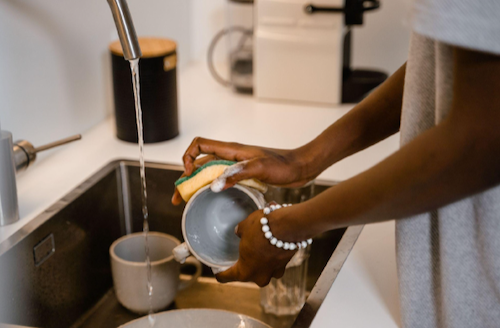
Household chores are a routine part of everyday life, so it makes sense that we rarely think of removing our jewelry before we do them. But household chores are one of the number one causes of jewelry damage. Common activities that damage your jewelry include:
- Washing dishes
- It’s easy to bump your hands or even knock your jewelry off while washing dishes–especially when you’re too focused on the task at hand to notice what’s happening to your rings.
- Cleaning bathrooms
- Cleaning the bathroom involves lots of harsh chemicals your jewelry should never come into contact with.
- Gardening
- Gardening exposes your jewelry to dirt, moisture, and oils. Gardening tools can also knock against your jewelry, potentially loosening stones or scratching softer gems.
- Moving furniture
- It’s very easy to bump your jewelry or snag it on fabrics while moving bulky furniture.
Household chores commonly cause jewelry damage like:
- Bent prongs
- Prongs are the pieces of metal that hold diamonds and gemstones in place. They are thin, and bumping them can bend them out of place.
- Scratches
- Even the strongest metals can be scratched by repeated bumps or friction.
- Chemical exposure
- Household chemicals can damage your jewelry in many surprising ways.
- Loose or lost stones
- When prongs are damaged, they can no longer hold stones securely. Stones can easily loosen or even fall out.
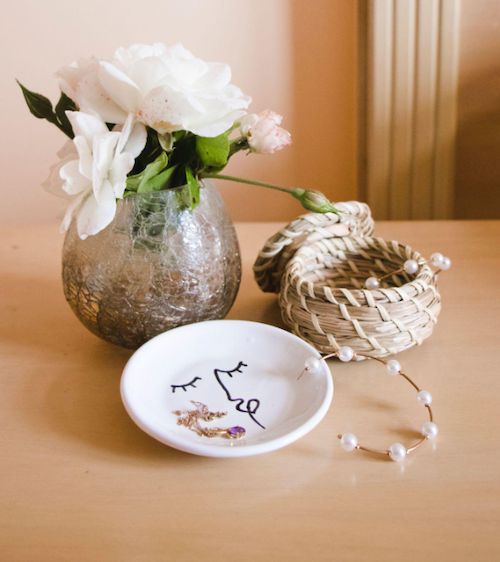
Always remove your jewelry before doing household chores. Designate a safe storage location like a ring dish or jewelry box, and keep your pieces there while you finish your daily chores.
Mistake #2: Exposing Jewelry to Harsh Chemicals
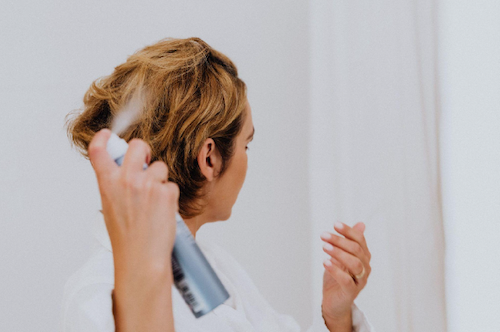
We often forget how harsh household chemicals really are. But the chemicals you use or are exposed to every day can actually do serious damage to your jewelry. This includes both cleaning chemicals and even the relatively harmless chemicals used in cosmetic products. Some common culprits for jewelry damage are:
- Chlorine
- Bleach
- Disinfectants
- Hairspray
- Perfume
- Lotions and creams
Household chemicals damage our jewelry in numerous ways:
- Deteriorating metals.
- Over time, harsh chemicals can deteriorate your jewelry, leading to discoloration, weakening, and even cracking. While gold itself is pretty resistant to chemicals like chlorine, most jewelry is actually made from gold alloy–a mixture of pure gold with small amounts of other, harder metals like silver or nickel. These alloy metals make gold harder and safer for daily wear, but they are more vulnerable to chemical damage.
- Weakening settings.
- When metal deteriorates, settings get weaker and lose their secure grip on diamonds and gemstones. This can lead to loose stones or even stone loss.
- Dulling gemstones.
- Harsh chemicals can damage gemstones in a number of ways. They penetrate through the tiny holes in porous gemstones like pearls and dissolve the gem’s layers. Chemicals can also strip the natural protective oils from gemstones, leading to clouding, discoloration, and dullness
Even gentler chemicals like those found in lotions, creams, and cosmetics will cause oils and grease to build up on the gems, dulling them over time. Always remove and safely store your jewelry before using cosmetics or household chemicals.
Mistake #3: Sleeping in Your Jewelry
We don’t think of sleep as a particularly intense or hands-on activity! But body movement during sleep and the fabrics on your bed can both lead to jewelry damage. Here’s how:
- Tugging
- As you toss and turn in the night, you may tug your jewelry against your body, pillows, or the mattress itself.
- Catching
- You may catch your jewelry on fabrics like knitted blankets. Over time, this can bend delicate pieces of metal (like prongs or earring posts) out of place.
- Tangling
- Jewelry chains can easily get tangled as you toss and turn. This is especially true if you fall asleep wearing more than one necklace or bracelet.
As you can see, sleep–as peaceful as it may seem–can easily lead to damage like:
- Bent chains
- Broken clasps
- Tangled necklaces
- Worn prongs
Sleep damage is especially concerning for jewelry with thinner metal parts. That includes engagement rings, chain necklaces and bracelets, and earrings with posts. Establish an easy-to-remember nightly jewelry routine. This can be as simple as placing your jewelry in a dish beside your bed for safe storage until you can put it back in your jewelry box in the morning.

Mistake #4: Storing Jewelry Improperly
Jewelry care continues even when you aren’t wearing the piece. In fact, improper storage is one of the quickest ways to damage your jewelry. Common jewelry storage errors include:
- Tossing pieces into a drawer.
- This is a big no-no! Tossing jewelry into a drawer where it all mixes together can cause jewelry to tangle, bump, scratch, and more.
- Storing everything together.
- Some pieces of jewelry are harder than others. Harder gemstones and metals can scratch softer ones. For instance, if you store a diamond ring with a pair of emerald stud earrings, the diamond can easily scratch the emerald if the pieces bump together.
- Storing jewelry in a dish or unlidded box long-term.
- It’s fine to keep your jewelry in a dish overnight. But for long-term storage, you need to keep it in a lidded box that protects it from dust, humidity, and direct sunlight. This is especially true for sterling silver pieces, which can tarnish in humid conditions.
The best way to store jewelry is in a soft-lined, lidded jewelry box with separate compartments. You don’t need an individual compartment for each piece, but try to store like with like–for instance, one compartment for simple gold pieces, one for diamond jewelry, and another for gemstone jewelry.
Mistake #5: Skipping Professional Inspections
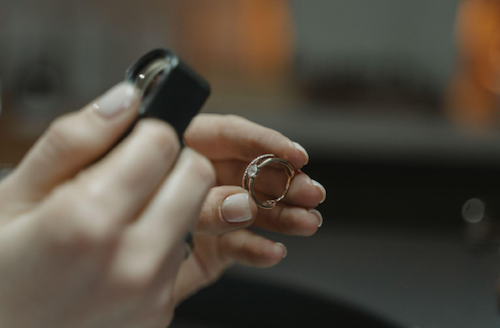
Professional jewelry inspections are a vital part of jewelry maintenance–but most jewelry owners skip them. During a professional inspection, a jeweler will take a close look at your jewelry, searching for any small signs of trouble before they develop into major damage. Jewelers will look for:
- Thinning bands
- Worn prongs
- Damaged clasps
- Loose stones
And more. Catching these problems while they’re still easy to fix will save you lots of time, money, and stress in the long run. Most importantly, jewelry inspection prevents gemstone loss. Plus, at the end of the inspection, your jeweler will clean and polish your piece for you, restoring it to its original shine.
Mistake #6: Cleaning Jewelry the Wrong Way
It’s safe–and smart–to clean your jewelry at home, but only if you do it the right way. Using improper cleaning techniques can easily damage your jewelry. Here are some common jewelry cleaning mistakes:
- Using hard-bristled brushes
- Using abrasive pastes, including toothpaste or baking soda paste
- Using harsh chemicals
- Trying to clean delicate gemstones at home
Cleaning jewelry at home is quite simple and easy. All you need is a bowl of lukewarm water, mild dish soap, a soft-bristled toothbrush, and a microfiber towel. Squeeze a few drops of mild dish soap into the bowl of lukewarm water and let your jewelry soak for 5-10 minutes. Remove it from the bowl and lightly scrub the piece with a soft-bristled toothbrush. Gently rinse your jewelry, then dry it with a microfiber towel (or let it air dry).
You can safely clean most engagement rings, diamond jewelry, harder gemstone jewelry (including sapphire, ruby, amethyst, and garnet pieces), and gold jewelry at home. But not all jewelry can be cleaned at home. Always take the following types of jewelry to a professional for cleaning:
- Jewelry with soft gemstones like opals, pearls, or turquoise
- Jewelry with intricate metal detailing
- Antique jewelry
When in doubt, speak to a professional jeweler for advice before you start cleaning a piece of jewelry at home. And if you aren’t sure what to do, or if you have fragile pieces, seek out a professional jewelry cleaning.
Mistake #7: Wearing Jewelry During Exercise or Outdoor Activities
Never wear your jewelry during exercise or intense outdoor activities. This one is probably more obvious, but we see it often enough that we feel the need to cover it anyway. Sure, it’s fine to wear your jewelry while walking the dog around the neighborhood. But leave your jewelry at home if you’re doing any of the following activities:
- Weightlifting
- Running
- Hiking
- Swimming
- Playing sports
Wearing your jewelry while exercising is a great way to end up with bent prongs, lost stones, impact damage, missing backings, and broken clasps. Store your jewelry securely in a jewelry box at home before you engage in any of these activities.

Signs Your Jewelry May Already Need Attention
Worried your jewelry might already be damaged? Look out for the following signs:
- Loose stones.
- These aren’t always obvious. If you hold your jewelry up to your ear and lightly tap or shake it, do you hear the stone knocking or rattling around? If so, it’s time to get your stones tightened ASAP.
- Bent prongs.
- Again, this isn’t always obvious. Sometimes you can easily see that a prong is bent out of shape, but other times you don’t notice until the prong catches on some fabric.
- Thinning, cracked, or scratched metal.
- You may need to shine your phone flashlight on your jewelry to notice small scratches or cracks in the metal.
- Worn clasps.
- Clasps keep your jewelry secure around your neck or risk. Be sure to take care of worn clasps before they fail, or you could lose your jewelry.
- Dull stones.
- This can indicate grease or oil buildup, or even chemical damage. Your stones likely need a deep cleaning.
Protect the Pieces You Love With Jewelry Care from Levy Jewelers in Savannah, GA
Hopefully, this blog has shown you that jewelry damage happens more easily–and more often–than you might expect. Even if you do your best to care for your jewelry, everyday wear-and-tear is inevitable. By making small changes in your routines, you can dramatically extend the lifespan of your jewelry. Removing your jewelry before intense activities, avoiding chemical exposures, storing your jewelry properly, and getting regular jewelry inspections are some of the best ways to protect your pieces.
Regular maintenance protects your jewelry’s beauty, as well as its sentimental and financial value. If you live in the Savannah area, visit our jewelry store for professional jewelry inspections, cleaning, maintenance, and repair services to keep your favorite pieces looking their best for years to come.