
Even if you don’t plan on selling your jewelry, it’s good to know how much it’s worth. Appraisals are vital for insurance, estate planning, divorce proceedings, and asset documentation. And, of course, if you do decide to sell your jewelry, you’ll absolutely need an appraisal.
Many people in the Savannah, Georgia area seek professional appraisals for a variety of reasons. Even if you don’t need one now, it’s likely you’ll need one in the future. Understanding what happens during a jewelry appraisal can help you feel confident when it’s time for you to bring your jewelry in for a professional valuation.
In this blog, we’ll walk you through the steps of a jewelry appraisal, let you know what you can expect in terms of time and cost, and share why appraisals are so important.
-
What Is a Jewelry Appraisal?
-
When Should You Get Jewelry Appraised?
-
Step-by-Step: What Happens During a Jewelry Appraisal?
-
How Long Does a Jewelry Appraisal Take?
-
How Much Does a Jewelry Appraisal Cost?
-
Why It’s Important to Choose a Trusted Jewelry Appraiser
-
What to Do Before Bringing Your Jewelry for Appraisal
-
FAQ: Jewelry Appraisals
-
Schedule a Jewelry Appraisal in Savannah, GA
What Is a Jewelry Appraisal?
A jewelry appraisal is a professional evaluation that determines the value of a piece of jewelry. Jewelry appraisals are the best way to get the most accurate estimate of your jewelry’s market value.A jewelry appraisal typically includes:
- A detailed description of the item
- Identification of gemstones and metals
- Quality grading of diamonds and gemstones
- A final monetary estimate
- Written documentation of the appraisal results
The final, certified, written report can be used for insurance coverage or official records such as those you might need for estate planning or asset documentation.
When Should You Get Jewelry Appraised?
Even if you have no interest in selling your jewelry, a jewelry appraisal is a necessity in many other common situations. We have worked with plenty of Savannah clients over the years, in search of appraisals for their various needs. In this section, we’ll walk you through a few of the most common reasons why people come to our store for jewelry appraisals.Insurance Coverage
Insurance companies often require appraisals before they are willing to offer coverage for high-value jewelry items. If you need to insure an engagement ring, a family heirloom, or a piece of high-value diamond jewelry, you will almost always need insurance documentation.An appraisal helps you secure jewelry insurance that protects your valuables in the event of loss, damage, or theft. Appraisals also document the materials used in your jewelry and the precise measurements of the piece. This documentation can be extremely helpful in the event that you lose your jewelry and want to recreate it. A professional custom jewelry can use the descriptions and photographs included in the appraisal to help create an exact replica of your beloved lost jewelry.
Estate Planning or Inheritance
Families often have their heirloom jewelry appraised. Most people don’t end up selling their family heirlooms–after all, how do you put a price tag on such a sentimental piece? However, it’s important to know the value of these antique engagement rings, necklaces, bracelets, and earrings for estate planning/distribution and tax purposes.Selling or Trading Jewelry
This is the most obvious reason to have your jewelry appraised. If you hope to sell or trade a piece, any interested buyer will want proof that it’s worth as much as you say it is. And of course, you don’t want to charge less than it’s worth. Knowing your jewelry’s market value lets you set fair resale pricing. It also shows you the piece’s trade-in potential, in case you want to trade-in the piece for an upgrade at a jewelry store.Updating an Older Appraisal
Jewelry values change over time due to market changes. The price of gold, diamonds, and other precious metals and gemstones are always fluctuating. Jewelry prices can also gain or lose value based on jewelry trends that may increase or decrease demand for certain styles.Jewelry professionals like the team at Levy Jewelers recommend updating your appraisals every 3-5 years to stay up to date. You wouldn’t want to find yourself underinsured, or end up selling your jewelry for less than it’s currently worth.
Step-by-Step: What Happens During a Jewelry Appraisal?
Step 1: Initial Consultation
The appraisal process begins with a conversation between you and the jewelry professionals. The jeweler may ask you about:- When the piece was purchased
- If you’ve had previous appraisals (and how much your piece was valued at)
- If you have any original receipts or certificates for the piece
- The purpose of the appraisal–insurance, resale, estate planning, etc.
There aren’t ‘wrong answers’ to these questions. They will just help the jeweler determine what type of valuation you need. Remember, the jeweler is there to help!
Step 2: Jewelry Inspection
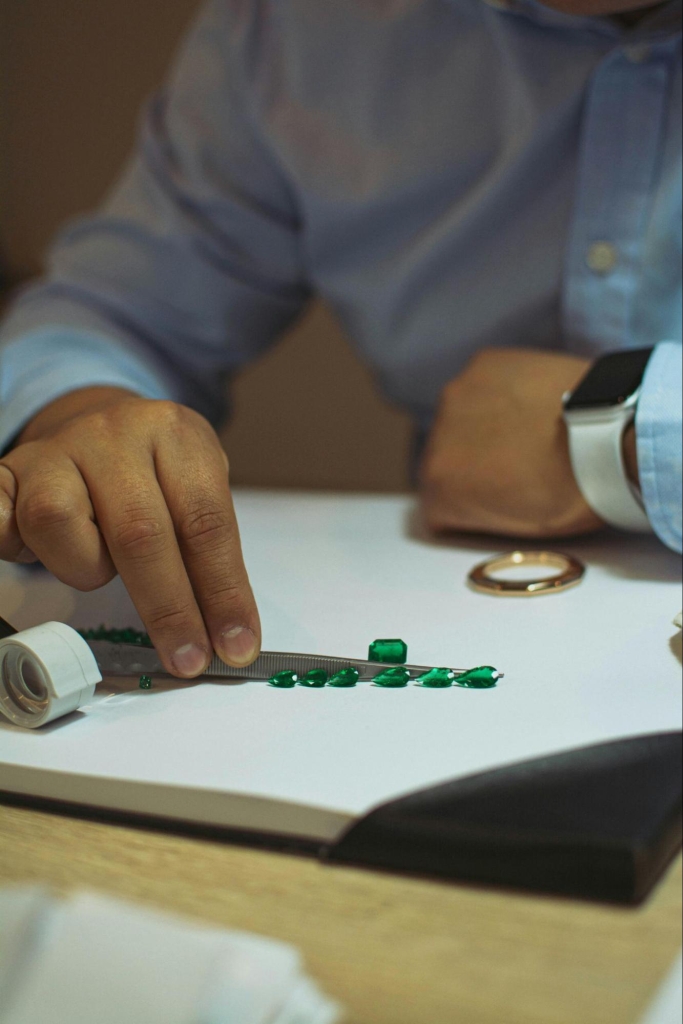
At this stage, the jeweler will carefully examine the piece using professional tools and tests. The inspection will not damage the piece–jewelers are very experienced at carefully handling jewelry during inspections. An inspection typically includes:- Metal type identification
- Stone identification
- Structural condition of the piece
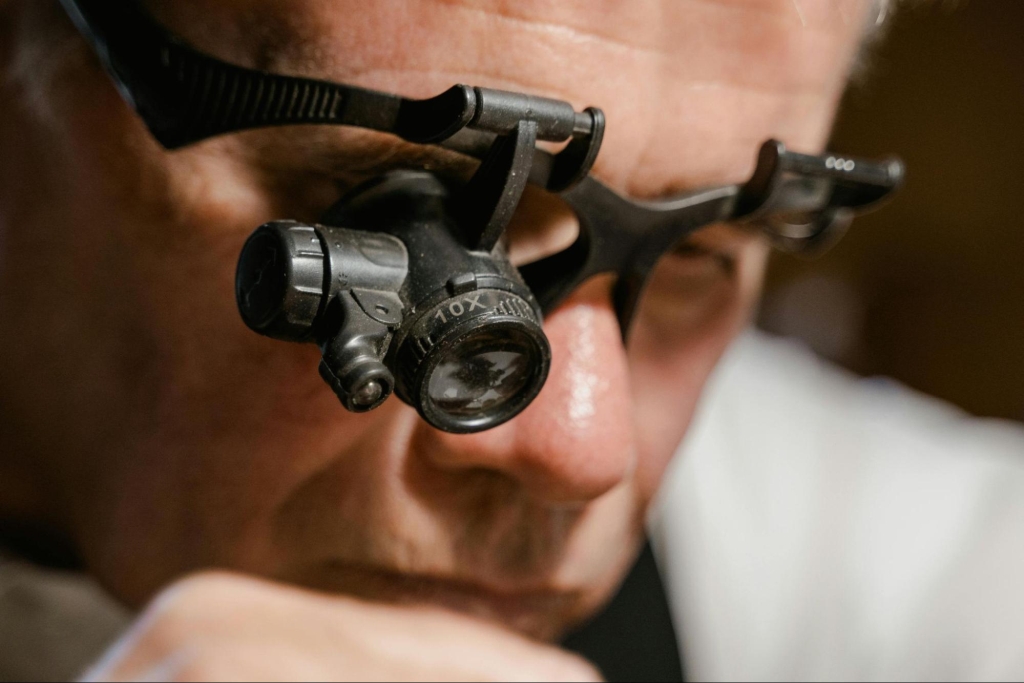
A jeweler will inspect every part of the piece, even if you’ve told them what materials are included in the piece. This isn’t because they don’t believe you. It’s to make sure they get the most accurate documentation possible for whoever is insuring, purchasing, or inheriting the piece. They may use tools like:
- High-powered magnification
- Gemological microscopes
- Precision scales
- Thermal testing
Step 3: Gemstone Identification and Grading
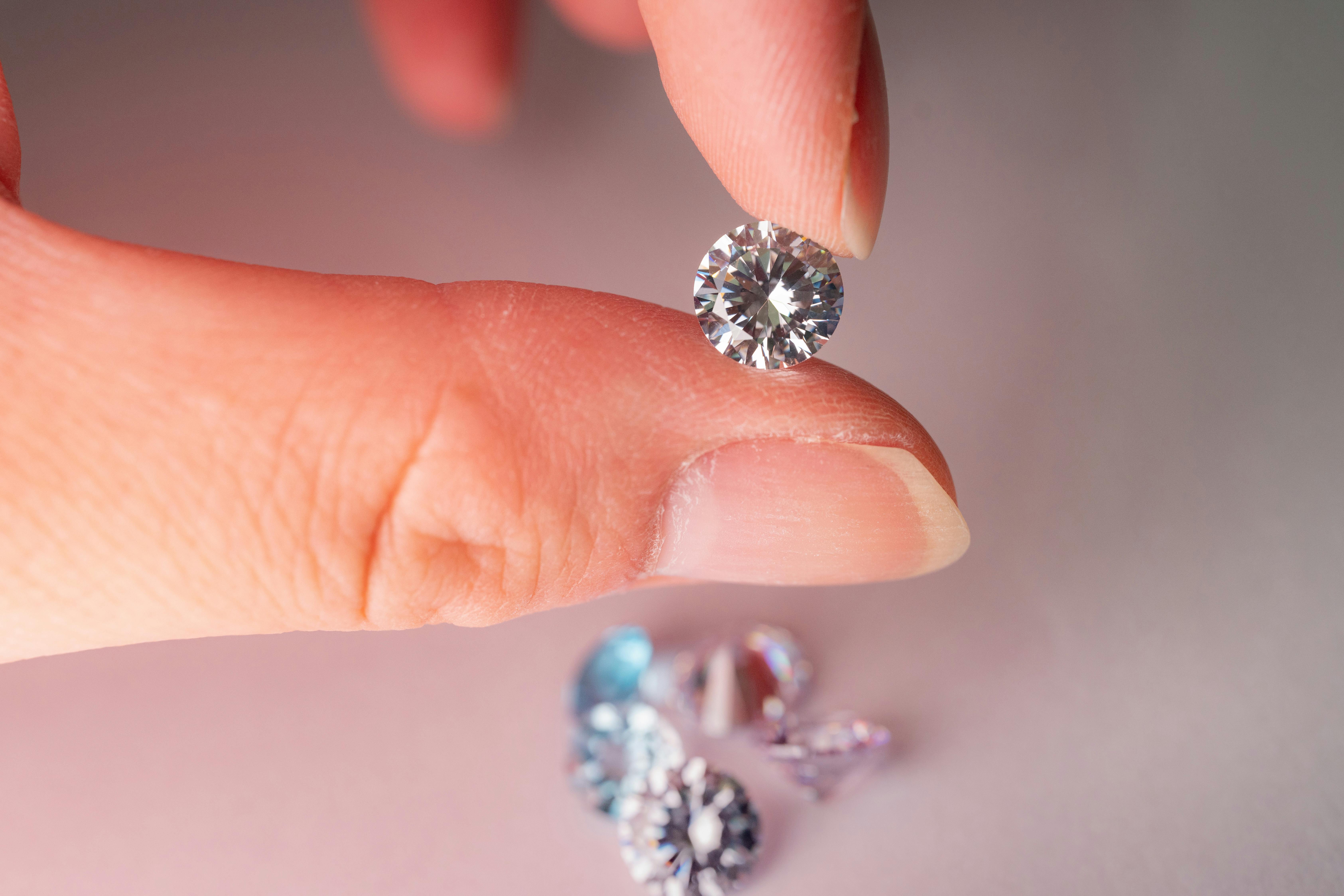
If the piece contains diamonds or gemstones, the appraiser will use a special, standardized process to evaluate them. For diamonds, grading focuses on the 4 Cs:- Color: Diamonds are graded based on the presence or absence of color. “Whiter” diamonds (those with less color) are worth more.
- Cut: Cut refers to the proportions and facets of a diamond. They determine the diamond’s sparkle and light performance. Well-cut diamonds are more brilliant and thus are worth more money.
- Clarity: Clarity refers to the presence or absence of flaws on the diamond, such as shadows, bubbles, feathering, or chips. The fewer flaws a diamond has, the more valuable it is.
- Carat weight: This is the size of the diamond. Larger diamonds are worth more money.
For colored gemstones, the appraiser will evaluate:
- Intensity of color: Colorful gems should be colorful! Gems with more saturated, vibrant colors will be worth more money.
- Evenness of color: Beyond saturation, appraisers will grade a gem on the evenness of its color. If one part of a gem is more saturated than another, it won’t be considered as valuable. Gems with even tone and saturation across the stone are worth more money.
- Cut: Cut doesn’t impact sparkle for gemstones the same way it does for diamonds. Still, cut has a big role to play in the quality of a colored stone. Well-cut gems are worth more money.
- Carat: This is the size of the gemstone. As with diamonds, larger gemstones are worth more money.
Step 4: Measuring and Weighing
Next, the appraiser will take precise measurements using professional tools. These measurements help determine:- Diamond size
- Gemstone dimensions
- Proportions of the piece
- Metal weights
Step 5: Market Research
The jeweler will then compare the materials in your jewelry to current market data. The prices of jewelry materials are always changing, but jewelers will give you the most up-to-date values as possible. They’ll consider:- Current gold, silver, and platinum prices
- Current diamond prices
- Current precious gemstone prices
- Whether the piece is designer or brand name
- Other demand factors (such as demand for specific, rare, antique or vintage pieces)
Market research ensures that the jeweler’s valuation reflects current replacement costs as closely and accurately as possible.
Step 6: Creating the Written Appraisal Report
Next, the jeweler will create a professional appraisal document. The final report will include:- Detailed description of the jewelry, including stone measurements and proportions
- Photographs
- Official diamond and/or gemstone grades
- Estimated value
- Stated purpose of the appraisal
This document can be provided to–and is generally accepted by–insurance companies, divorce attorneys, estate planners, and other officials helping you document your assets.
How Long Does a Jewelry Appraisal Take?
It depends on the complexity of the appraisal. For example, appraising a single, uncomplicated piece may take as little as 30-60 minutes. More complex pieces, including antiques or pieces with many different stones, will take longer.Other factors affecting time:
- The number of pieces included in the appraisal
- The complexity and rarity of the piece
- The level of documentation needed.
Some jewelers offer same-day appraisals, while others may require pickup later. If you need your pieces appraised within a specific time frame, we recommend calling the jeweler ahead of time to ask for an estimate.
How Much Does a Jewelry Appraisal Cost?
It depends on the jeweler you go to and the complexity of the appraisal. Common pricing methods include:- A flat fee per piece
- An hourly rate for labor
- Appraisal package pricing
Wherever you go, be sure that you’re working with a reputable jeweler who charges for the service itself rather than charging for a percentage of your piece’s value. That way, you can ensure that the jeweler will be objective.
If you need to know the cost of an appraisal up front, we recommend calling the jeweler you plan to work with in advance. They will likely be happy to provide you with an estimate.
Why It’s Important to Choose a Trusted Jewelry Appraiser
When it comes to jewelry appraisals, trustworthiness and transparency are the name of the game. When the item is as valuable as a precious, sentimental piece of jewelry, you only want to work with reputable and experienced professionals.One way to ensure you work with a reputable jeweler? Look for a local jeweler with a longstanding reputation and positive reviews. Local jewelers thrive on word-of-mouth referrals and their community reputation. They’re not going to give you an unfair or dishonest appraisal, because your reviews mean everything to them.
What To Do Before Bringing Your Jewelry for Appraisal
Bring documentation
If you have any documentation from your original purchase or from previous appraisals, bring it along. It’s very useful for the appraiser. If you don’t have any documentation, that’s okay, too. Documents just help simplify the process. Helpful items include:- Diamond grading certificates
- Original purchase receipts
- Previous appraisal or insurance records
Clean your jewelry
A quick clean makes it much easier for the appraiser to inspect your jewelry. This leads to more accurate evaluations and helps the appraisal process go as quickly and smoothly as possible.Know the purpose of your appraisal
Appraisers will tailor their inspection process based on the purpose of the appraisal. Different purposes require different methods. Tell your jeweler whether you need:- An insurance replacement value
- A fair market value
- An estate value
FAQ: Jewelry Appraisals
How often should jewelry be appraised?
Most experts recommend updating your jewelry appraisals every three to five years.Do I need an appraisal for jewelry insurance?
Yes. Insurance companies almost always require a professional appraisal to determine coverage.Can a jeweler appraise antique jewelry?
Yes. Experienced jewelers can evaluate vintage and antique pieces, though very rare items might require specialty appraisal.Should I clean my jewelry before an appraisal?
Yes. Clean jewelry is easier to evaluate because the jeweler can quickly inspect gemstones and settings.Schedule a Jewelry Appraisal in Savannah, GA
As Savannah’s local, family-owned jeweler for over 100 years, our experience and reputation speak for themselves. We’ve spent generations serving the needs of our Savannah clients, and we’re proud to offer appraisals for many purposes.- We offer appraisals for:
- Engagement rings
- Diamond jewelry
- Estate jewelry
- Insurance appraisals
- And more!
To book an appraisal, give us a call or schedule an appointment online. You can also visit the store in person to speak with a jewelry expert to ask any questions you may have or to schedule an appraisal.