

Whether you’re shopping for someone with a February birthday or looking for a piece that reflects your–or a loved one’s–unique traits, it’s important to understand what amethyst symbolizes. Once you understand amethyst’s deeper meaning, you’ll be able to choose jewelry that feels truly personal.
In this blog, we’ll explore the meaning, history, and modern significance of February’s birthstone.
-
The Meaning of Amethyst: Calm, Clarity, and Strength
-
Why Amethyst is February’s Birthstone
-
The History of Amethyst Symbolism
-
Spiritual and Emotional Symbolism of Amethyst
-
What the Color of Amethyst Represents
-
Does Amethyst Make a Good Gift?
-
Final Thoughts: The Timeless Symbolism of Amethyst
The Meaning of Amethyst: Calm, Clarity, and Strength
It’s obvious where some gemstones got their names–aquamarine, for instance, is clearly named for its teal color, like clear ocean water. But the name amethyst has a fascinating and surprising backstory. The modern word “amethyst” comes from the ancient Greek word amethystos, which means “not intoxicated.”The ancient Greeks believed that carrying amethyst to parties and other social events could ward off drunkenness and hangovers, no matter how much alcohol they consumed. Of course, that’s not really how things work. But the myth persisted through art and storytelling. One version of the myth claims that the Roman god of revelry, Bacchus, turned amethyst purple by pouring wine over it.
Despite its historic association with overindulgence, today, amethyst has a different meaning. In modern times, amethyst symbolizes:
- Emotional balance
- Mental clarity
- Spiritual awareness
- Stress relief and calmness
- Personal strength and protection
Why Amethyst is February’s Birthstone
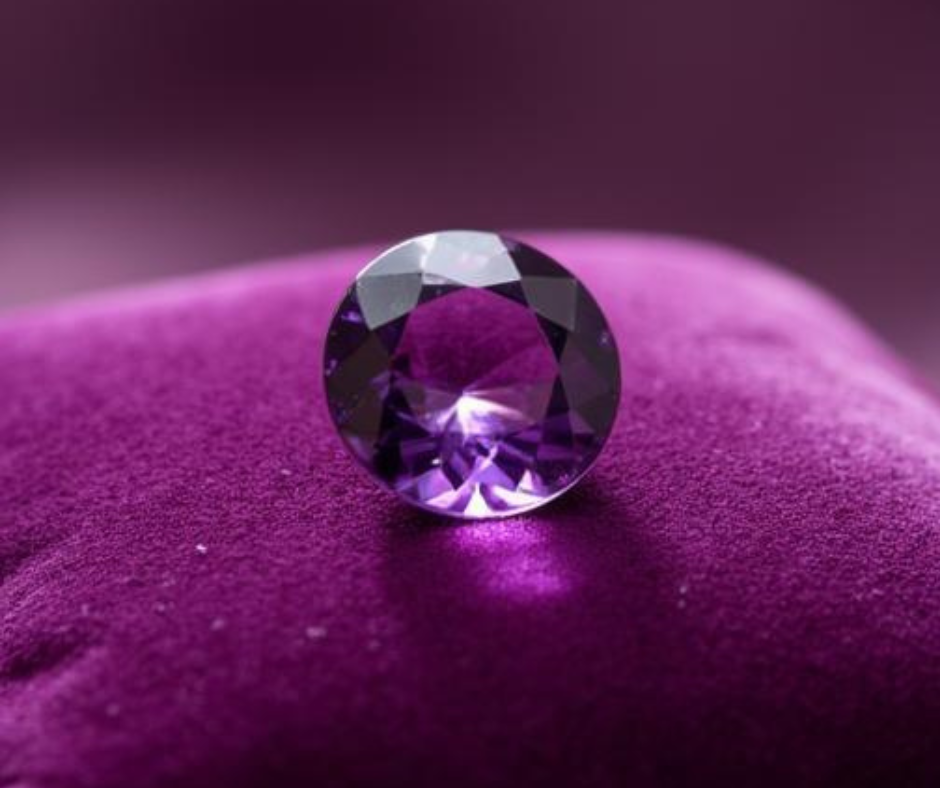
No one can say for certain why amethyst was chosen as February’s birthstone, but there are a few good theories. One of the most popular theories is that it was chosen in honor of St. Valentine, who, according to legend, wore an amethyst ring with an engraving of Cupid. This would certainly make sense, given that February is also the month of Valentine’s Day!It’s also possible that the connection between amethyst and February emerged organically over time, as people began to associate amethyst’s symbolic qualities–like strength, calmness, and clarity–with those born in February. It’s a real possibility, and definitely flattering for February babies!
Another possibility is that amethyst represents February’s unique position at the transition point between winter and spring. Many people regard February as the last “true” month of winter, since spring officially begins in late March. By February, even those who love winter weather are often growing tired of the cold and are ready for the renewal of spring. Amethyst’s calming energy and rich hues may provide balance during this in-between season.
The tradition of birthstones dates back thousands of years, and has roots in both Christian and Hindu traditions. So while it’s hard to pinpoint the exact moment that February and amethyst first became associated, these theories give us an idea. And no matter how it all unfolded, it's clear that amethyst became February’s birthstone through both tradition and symbolism.
The History of Amethyst Symbolism
Royalty and Power
For centuries, amethyst was considered just as valuable as diamonds, emeralds, and other, more well-known stones. The color purple has long been associated with royalty, because purple dyes were extremely rare and expensive. That’s why so many items of historic royal clothing are a deep, rich purple. It makes sense that naturally purple amethyst was seen as so precious. Powerful figures like kings, queens, and religious leaders collected amethyst items, reinforcing the gem’s connection to nobility, dignity, and wisdom.Ancient Beliefs
Amethyst was highly valued in ancient Greece and Rome. As discussed earlier in the article, it was linked to the Greek god Dionysus (and his Roman counterpart, Bacchus) and was believed to prevent drunkenness. This is how amethyst first got its association with balance and moderation.However, amethyst wasn’t just a stone people carried to parties. It was also worn for protection, and warriors would even wear it into battle. Intellectuals and philosophers also believed that amethyst could encourage clear thinking.
Spiritual and Emotional Symbolism of Amethyst
While beliefs may vary from person to person, amethyst is commonly associated with emotional and spiritual well-being. Many people believe that amethyst symbolizes:- Levelheadedness during stressful times
- Protection from emotional distress
- Clarity of thought
- Strengthening of intuition
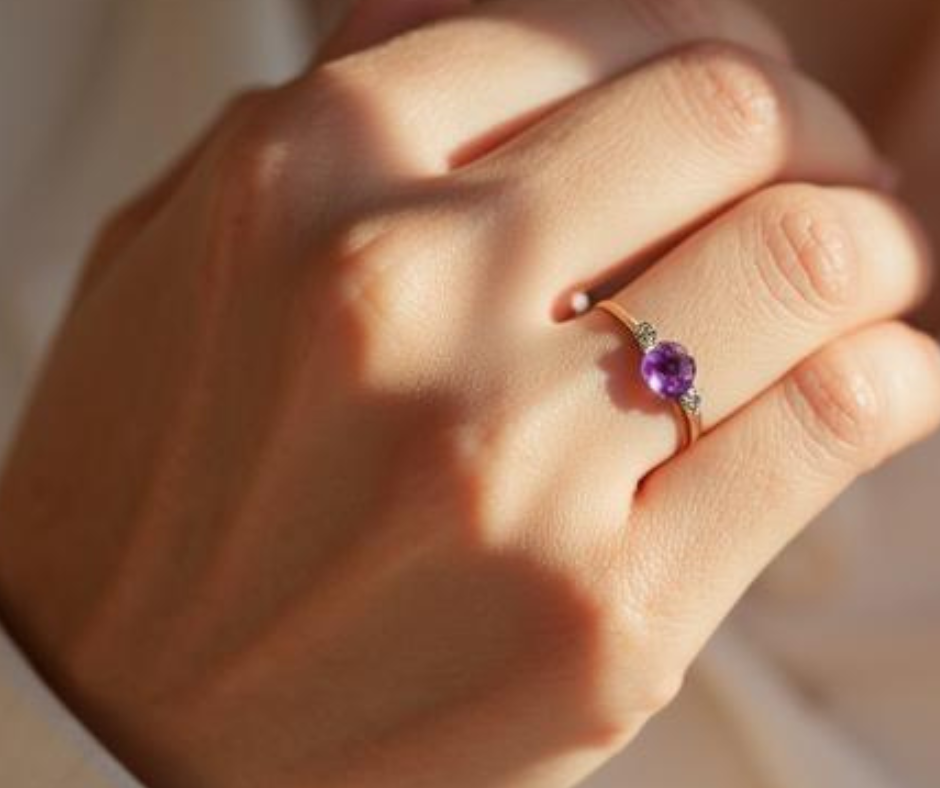
Because of these many positive qualities, amethyst jewelry is a popular choice to mark meaningful moments, including birthdays, anniversaries, personal milestones, and times of transition.
What the Color of Amethyst Represents
Amethysts come in all shades of purple. As with most gemstones, amethysts with deeper and richer hues tend to be more valuable. But each shade is beautiful in its own way and carries its own special symbolism:- Light purple amethyst: Peace, softness, and healing
- Medium purple amethyst: Balance, clarity, and harmony
- Deep purple amethyst: Strength, confidence, and wisdom
When choosing amethyst jewelry, color preference often comes down to person style. However, it can be nice to choose a shade that reflects the meaning you’re most drawn to.
Does Amethyst Make a Good Gift?
Amethyst makes a thoughtful and symbolic gift, especially for the following occasions:- February birthdays
- Valentine’s Day
- Anniversaries
- Milestone celebrations
- Transitional moments (like graduations)
Because of its symbolic association with calm, protection, and sincerity, amethyst jewelry is often given to express love, support, and appreciation. For February birthdays in particular, amethyst feels both personal and timeless. It’s something that can be worn every day, or cherished for special occasions.
But in addition to being beautiful, it’s also important for a jewelry gift to be practical. You may be wondering: is amethyst a durable gemstone? The good news is, amethyst is quite durable and practical for most rings, necklaces, earrings, and bracelets.
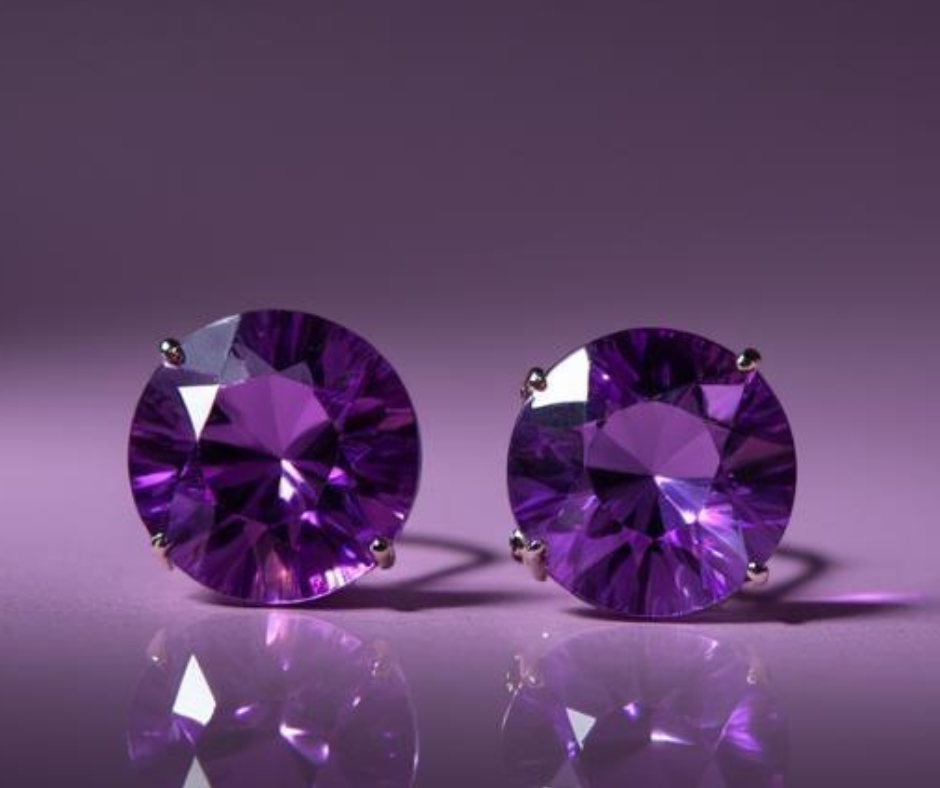
The Mohs scale of hardness ranks gemstones based on their durability. Amethyst ranks at a 7 on the Mohs scale of hardness. To put that in perspective, sapphires rank at a 9 and diamonds rank at a 10 on the same scale. So while amethysts are not the most durable stones, they’re much more durable than gems like opals (which rank at a 5) or pearls (which rank at a 3). Amethysts are not strong enough to be worn all day, every day–only a few gemstones, like diamonds, are strong enough for that–but as long as you are careful with your amethyst jewelry and store it properly when you aren’t using it, then amethyst pieces can last for many years.
Final Thoughts: The Timeless Symbolism of Amethyst
Amethyst is more than February’s birthstone. It’s a gemstone rich with history, emotion, and meaning. Symbolizing calm, clarity, protection, and strength, amethyst has been cherished for centuries and continues to be a favorite today.Whether you’re celebrating a February birthday, searching for a meaningful gift, or you’re simply drawn to the beauty of these glittering purple gemstones, amethysts offer a perfect balance of elegance and symbolism.
When you’re ready to start looking at amethyst jewelry, seek out a local jeweler like Levy Jewelers in Savannah, Georgia. Working with a local jeweler means working with someone who will take the time to hand-select quality stones, ensure a proper setting, help you with custom design (if requested), and offer personalized care.
So if you’d like to explore amethyst jewelry in person or learn more about finding the right piece, our team is always here to help. Come visit our downtown Savannah, Georgia store and let us help you pick the perfect piece!